27th March 2026
From commitments to accountability: What CSW70 revealed about the state of gender equality
16 min read


EN
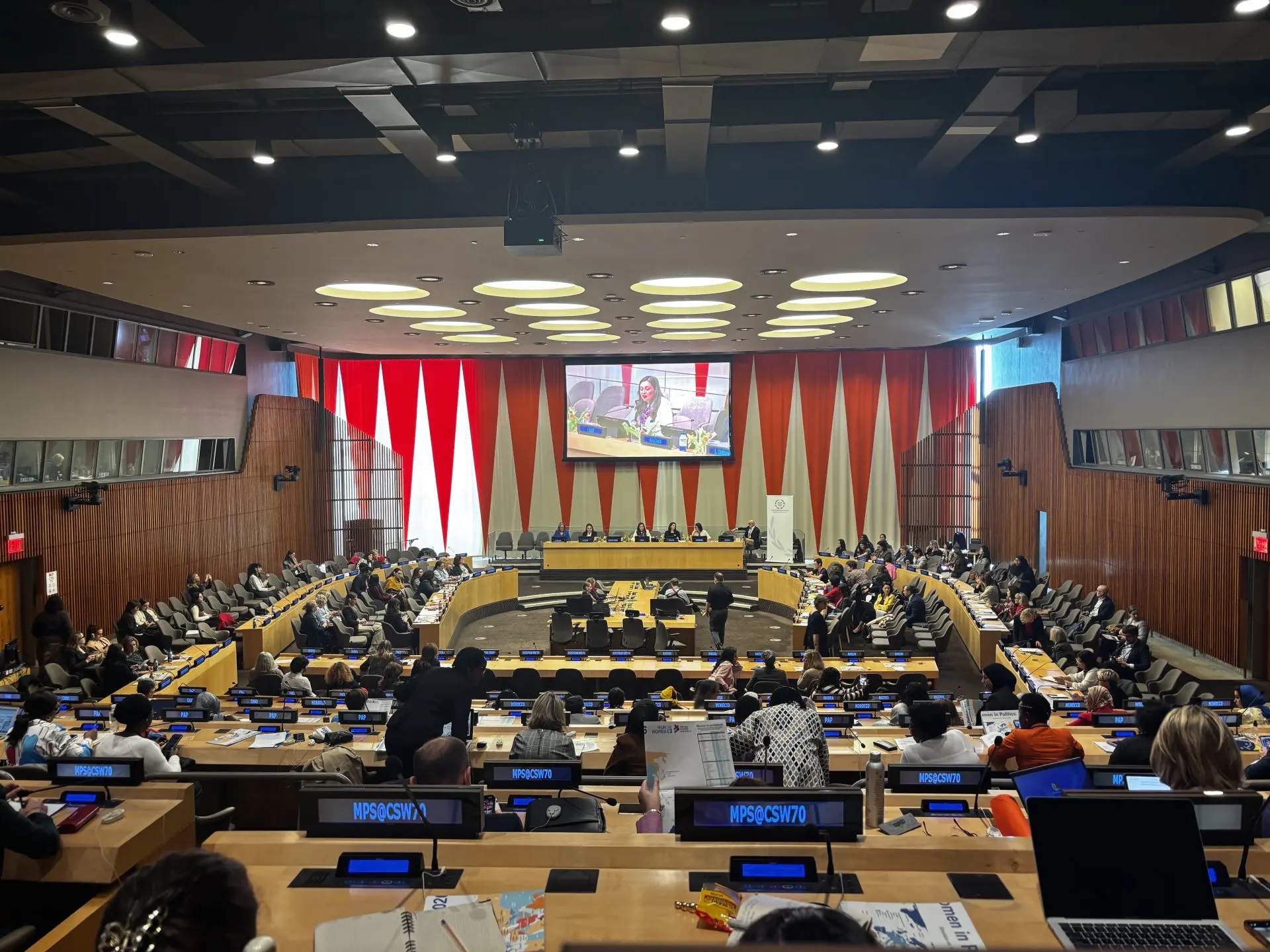
Photo credit: Inter-Parliamentary Union
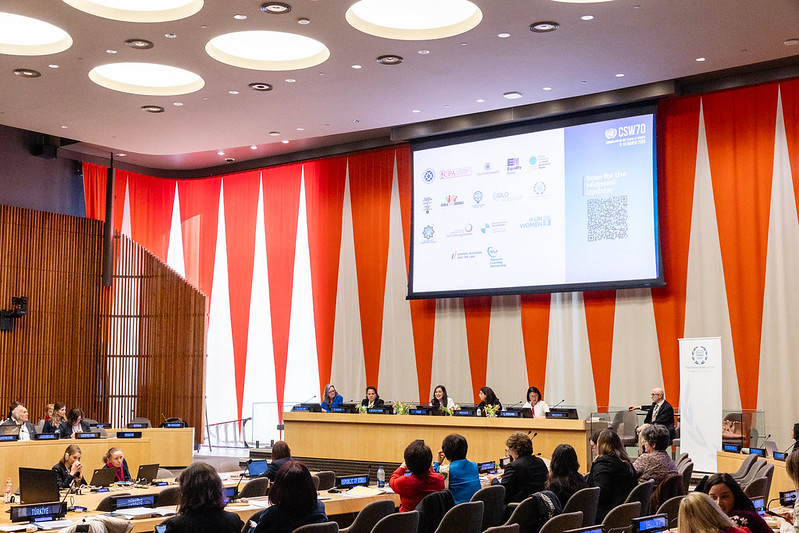
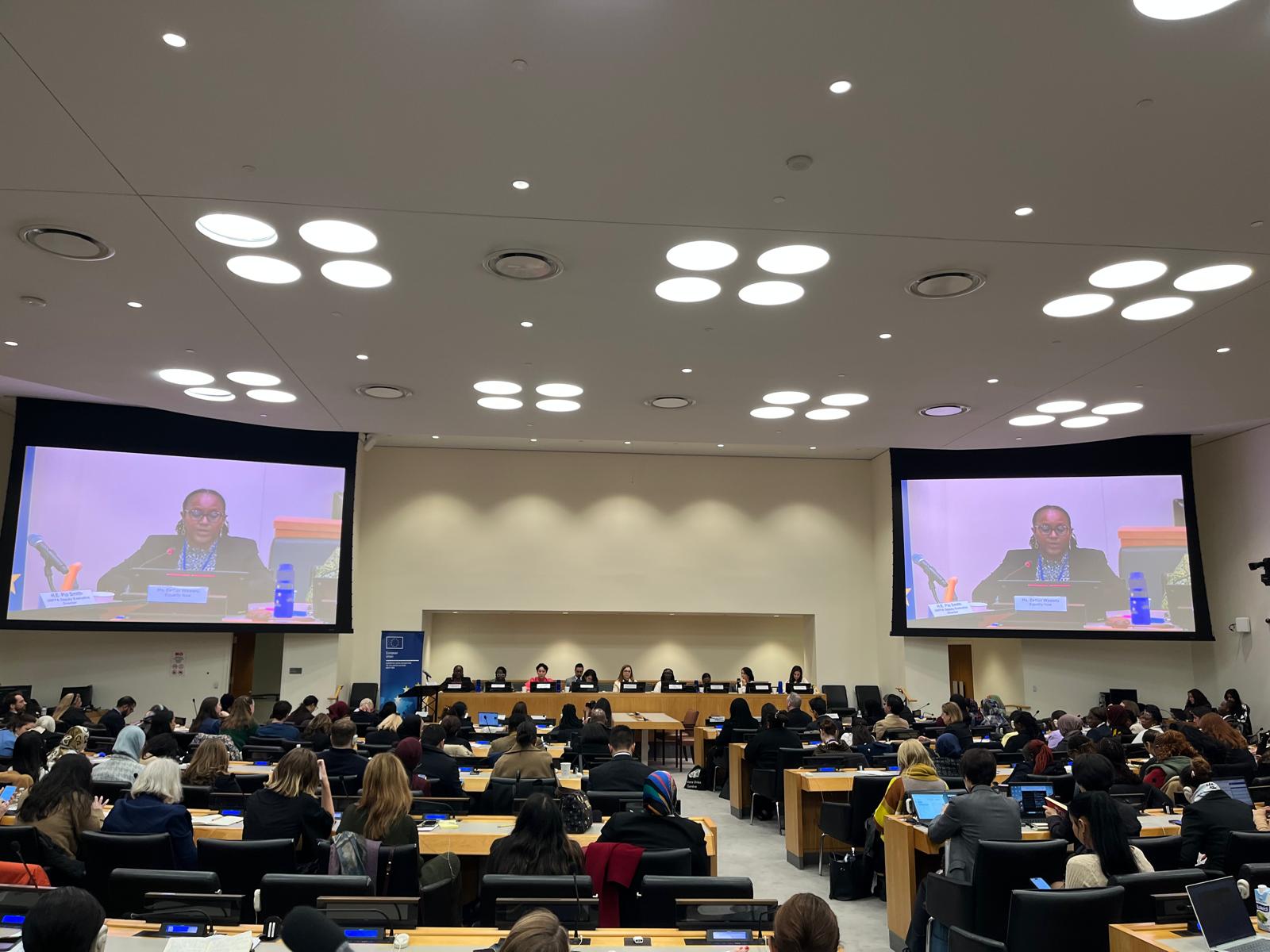
The 70th session of the Commission on the Status of Women (CSW70) took place at a moment of growing urgency for protecting and promoting gender equality.
While the official CSW focus this year was on strengthening access to justice (including by eliminating discriminatory laws), the conversations throughout the week revealed something deeper: a widening gap between global commitments and political reality, alongside a growing shift from recognising that gap to actively organising in response.
CSW70 was not just a stocktake. It was a signal of where governments stand on gender equality and what comes next. Although consensus on the CSW outcome document, the Agreed Conclusions, was broken, Equality Now was pleased that stronger language on ensuring gender equality and non-discrimination in legal frameworks, including specifically on family law, as well as the importance of addressing technology amplified gender-based violence, was adopted. In addition, a regressive resolution on “Protection of women and girls through appropriate terminology” was roundly rejected by the majority of UN member states through a No Action Motion before it could be brought to a vote.
Across formal sessions and side events, several clear themes emerged. Together, they point to a changing landscape, one where the challenge is no longer only to advance gender equality, but to defend it as a core human rights principle, and to implement it and sustain it where it exists in the law and in practice.
This year’s discussions also took place in a more constrained global context, with reduced participation due to visa denials, war and other factors, and shifting multilateral dynamics shaping who was in the room.
Despite progress in some areas, addressing the backlash against women’s and girls’ rights was a defining feature of CSW70.
Across events and workshops, participants highlighted coordinated efforts by anti-rights actors to roll back legal protections, alongside the growing role of misinformation and disinformation in influencing public discourse and policy. There were also efforts by some member States during CSW itself to use CSW procedures to weaken international agreements, i.e. interpretation of the word “gender” in the Beijing Declaration and Platform for Action.
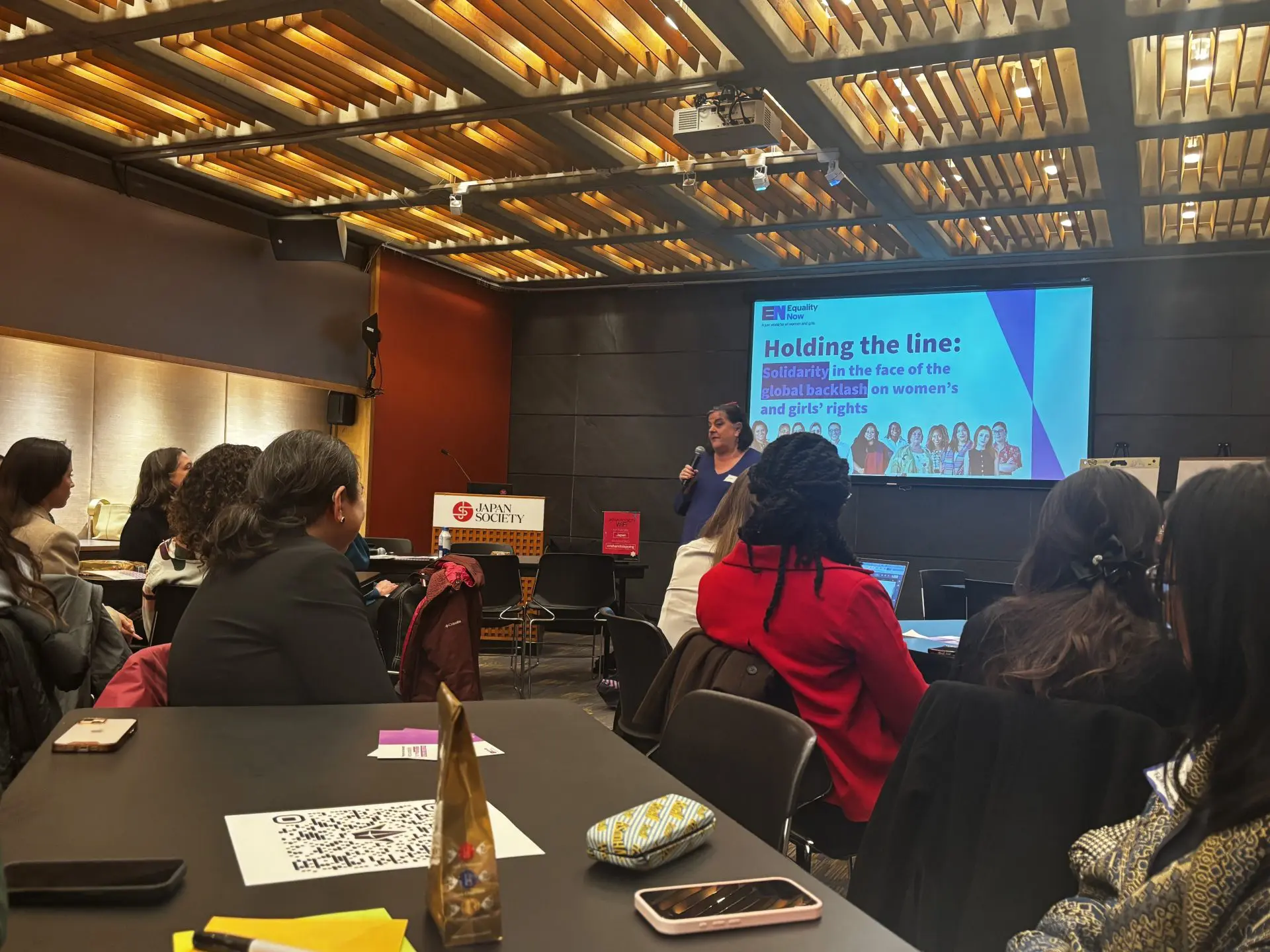
What stood out was a shift in response, from raising awareness to strategising. Across civil society, UN institutions, funders and member states, there is increasing focus on how to counter backlash through collective strategies, stronger movements, coalitions and alliances and more coordinated advocacy. One example of this was the re-launch of the Equality In Law for Women and Girls by 2030 Multistakeholder Strategy for Accelerated Action at the annual IPU-UN Women parliamentary meeting at CSW.
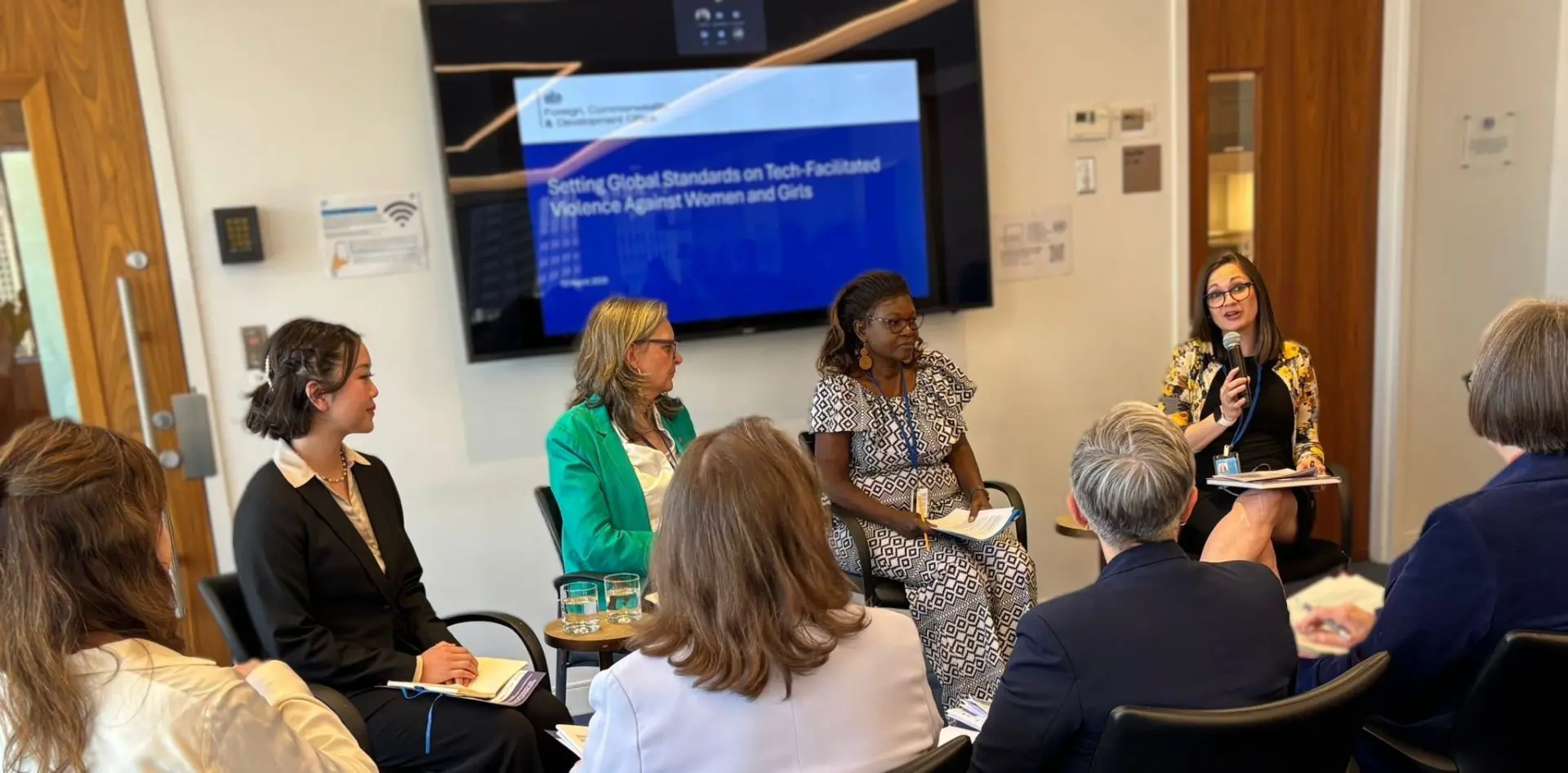
Technology emerged as a cross-cutting issue across nearly all discussions. From technology-facilitated gender-based violence to the spread of disinformation, digital spaces are intensifying existing inequalities and creating new risks.
Technology is no longer treated as a standalone issue, but is a factor embedded across multiple areas of gender inequality, requiring integrated legal and policy responses. Potential solutions, such as model laws and the use of AI to promote safety and justice (for example, by reducing logistic and bureaucratic obstacles) were shared and discussed.
Central to all of these discussions was an acknowledgement that digital development and innovation requires a robust and mutually agreed safety and regulatory framework, grounded in representative and gender-aware governance, to benefit everyone. Safety-by-design principles should be integrated throughout the full life cycle of digital tools and products.
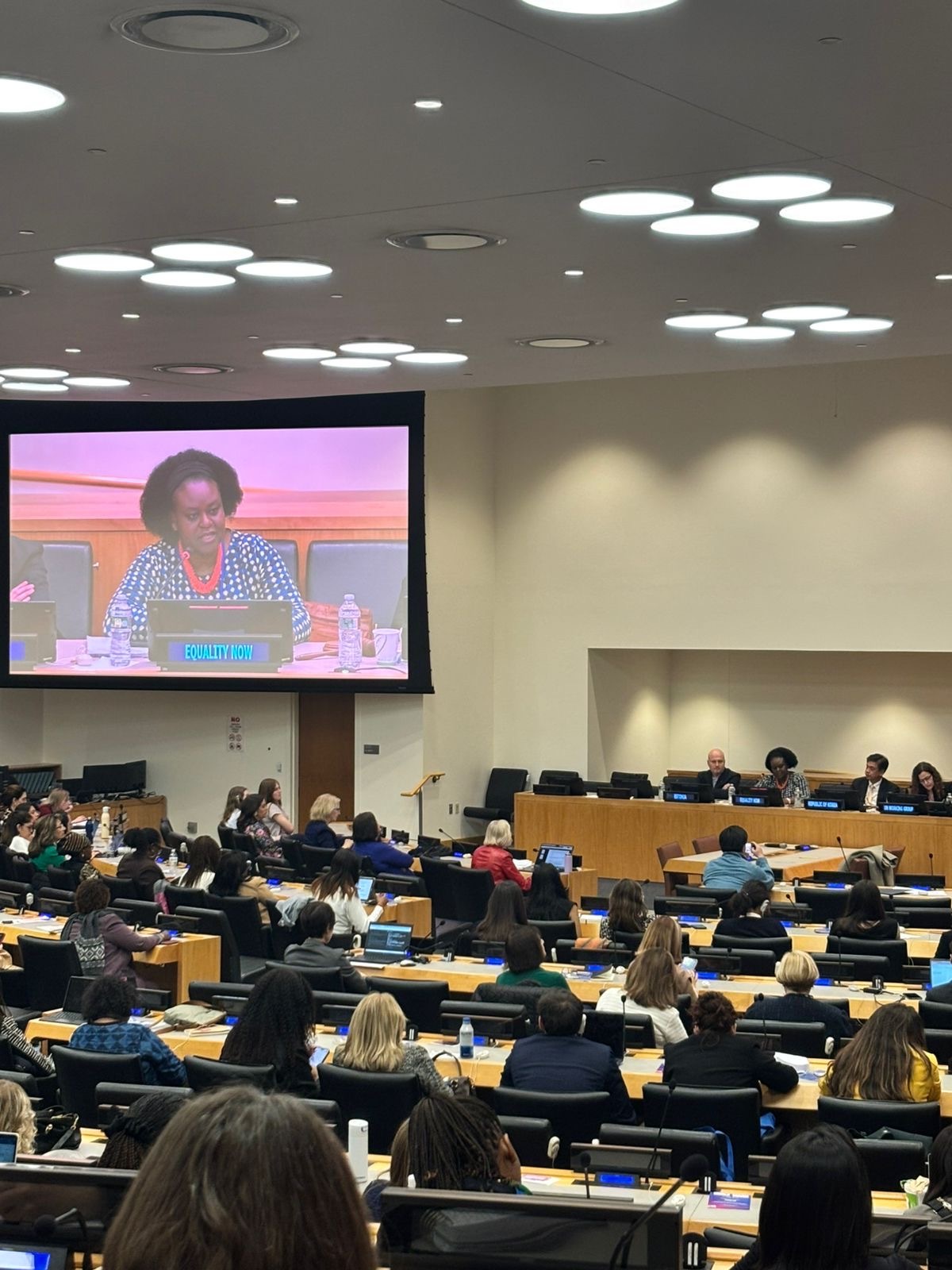
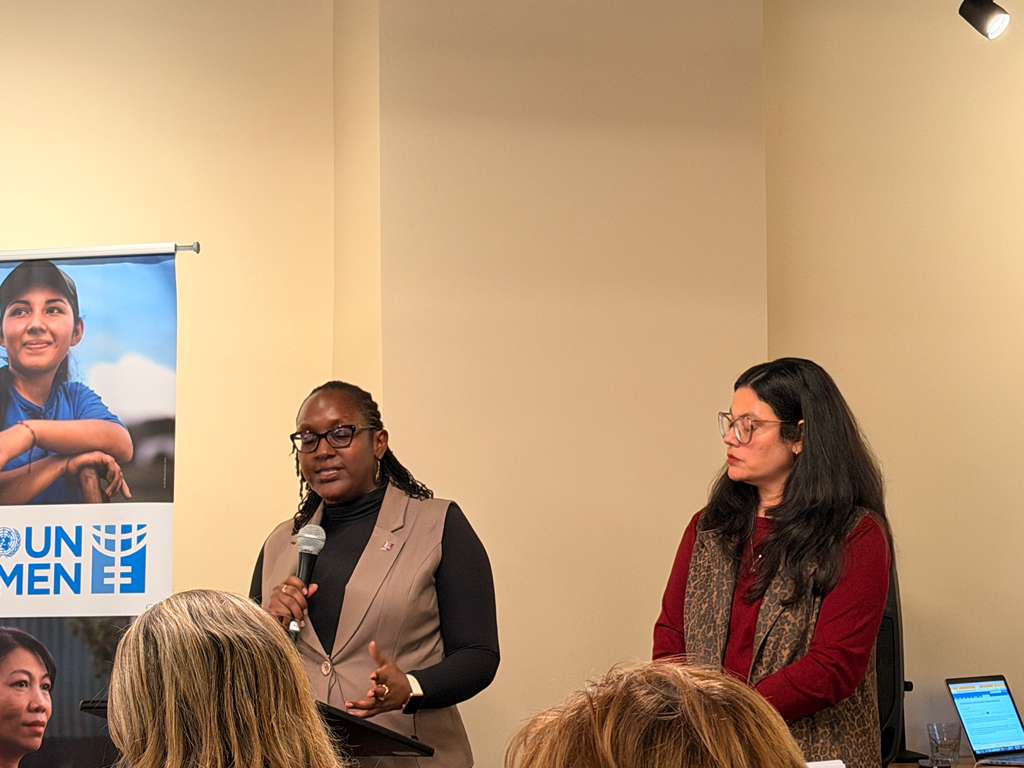
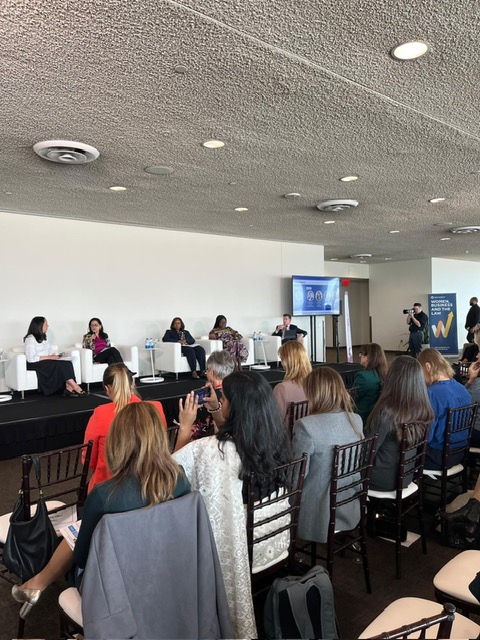
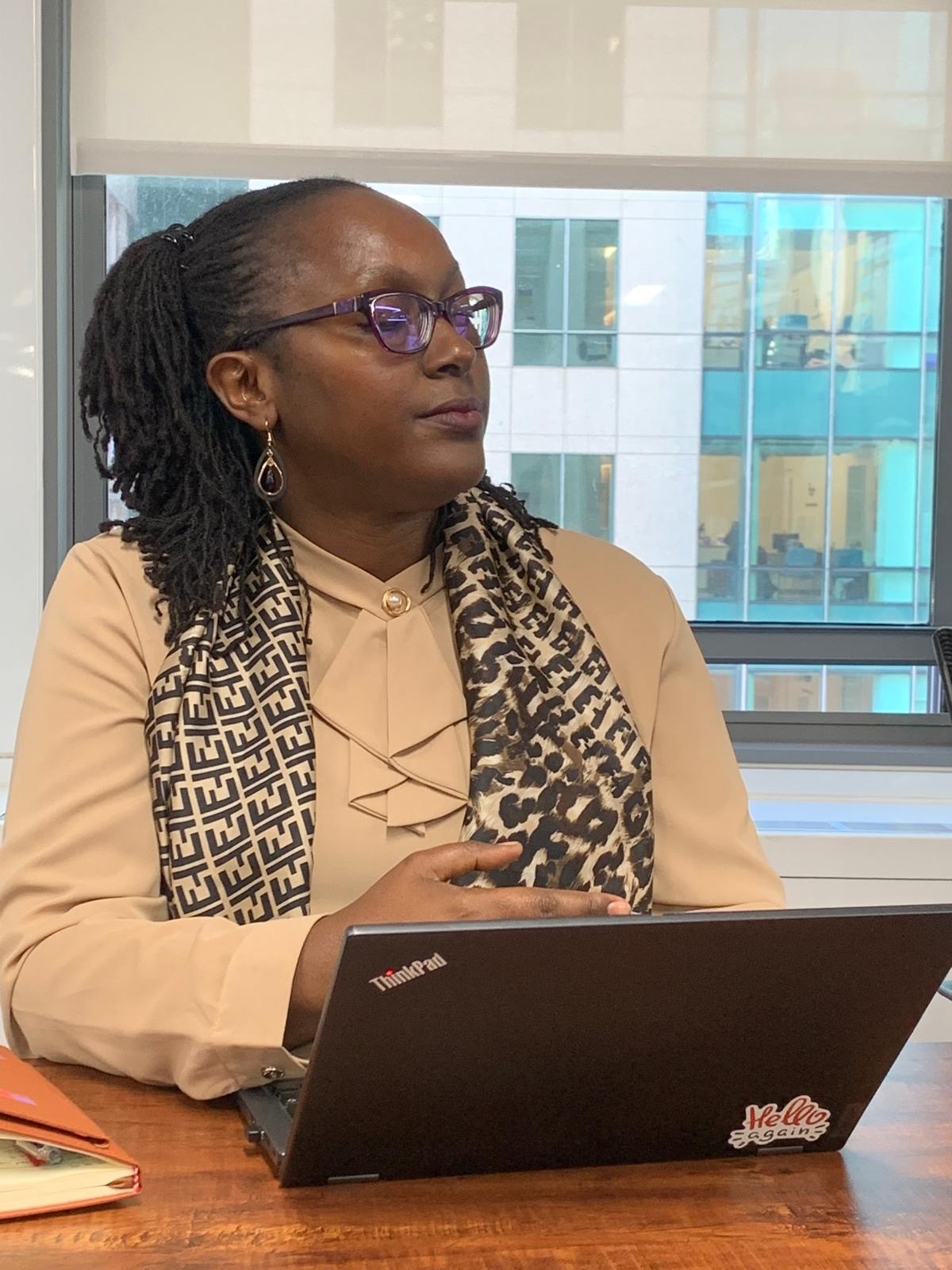
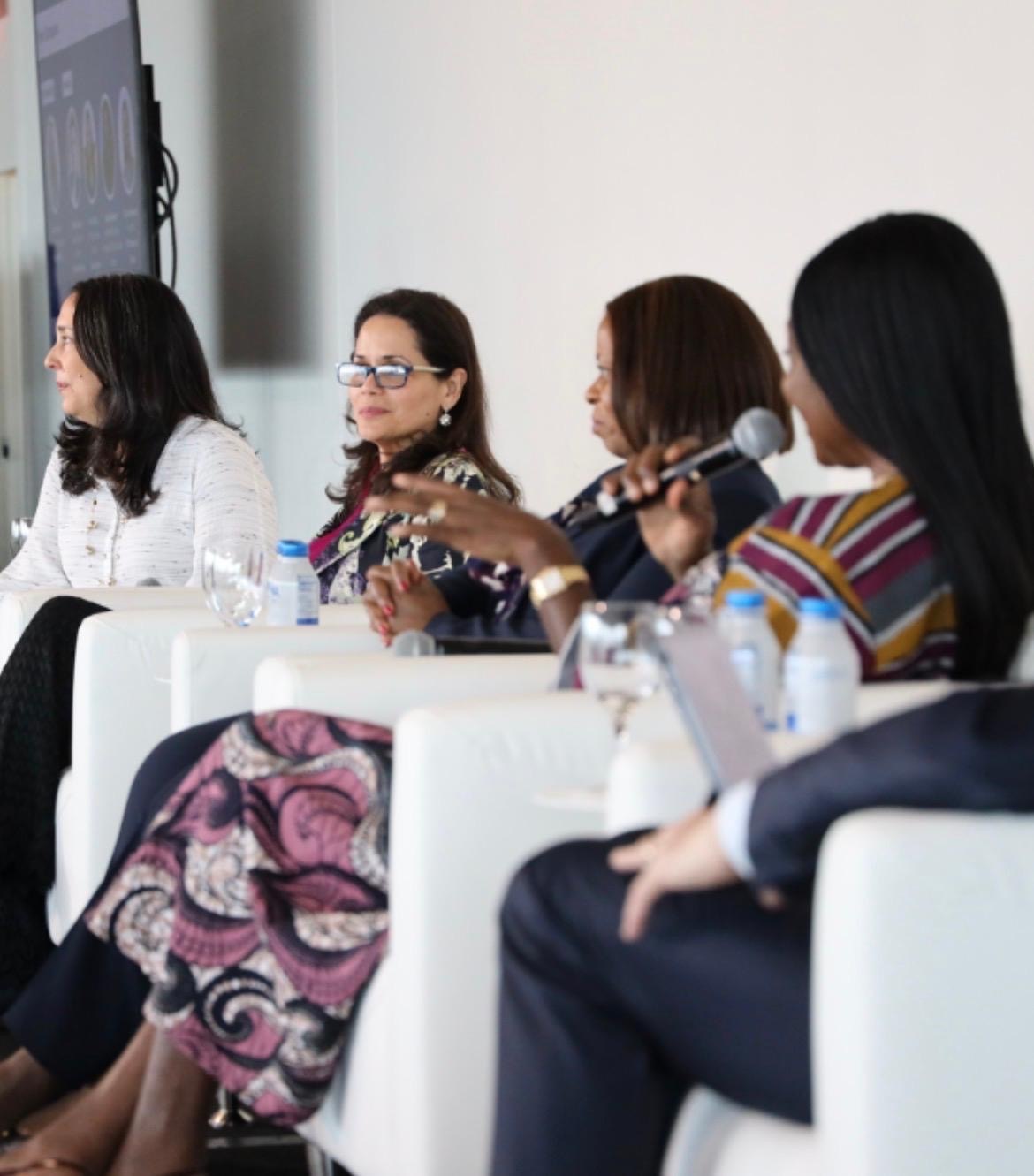
Despite longstanding commitments, discriminatory laws continue to underpin many of the challenges discussed at CSW. Across issues such as nationality rights, family law and violence against women and girls, the need for legal reform was a consistent theme. Indeed, as highlighted in several events and discussions, including the World Bank’s Women, Business and the Law and partners’ session on advancing legal reform, justice and women’s access to finance, at which Equality Now’s Mona Sinha spoke, not one single country has achieved full legal equality, deeply impacting women such as Deepti Gurung until reform is undertaken.
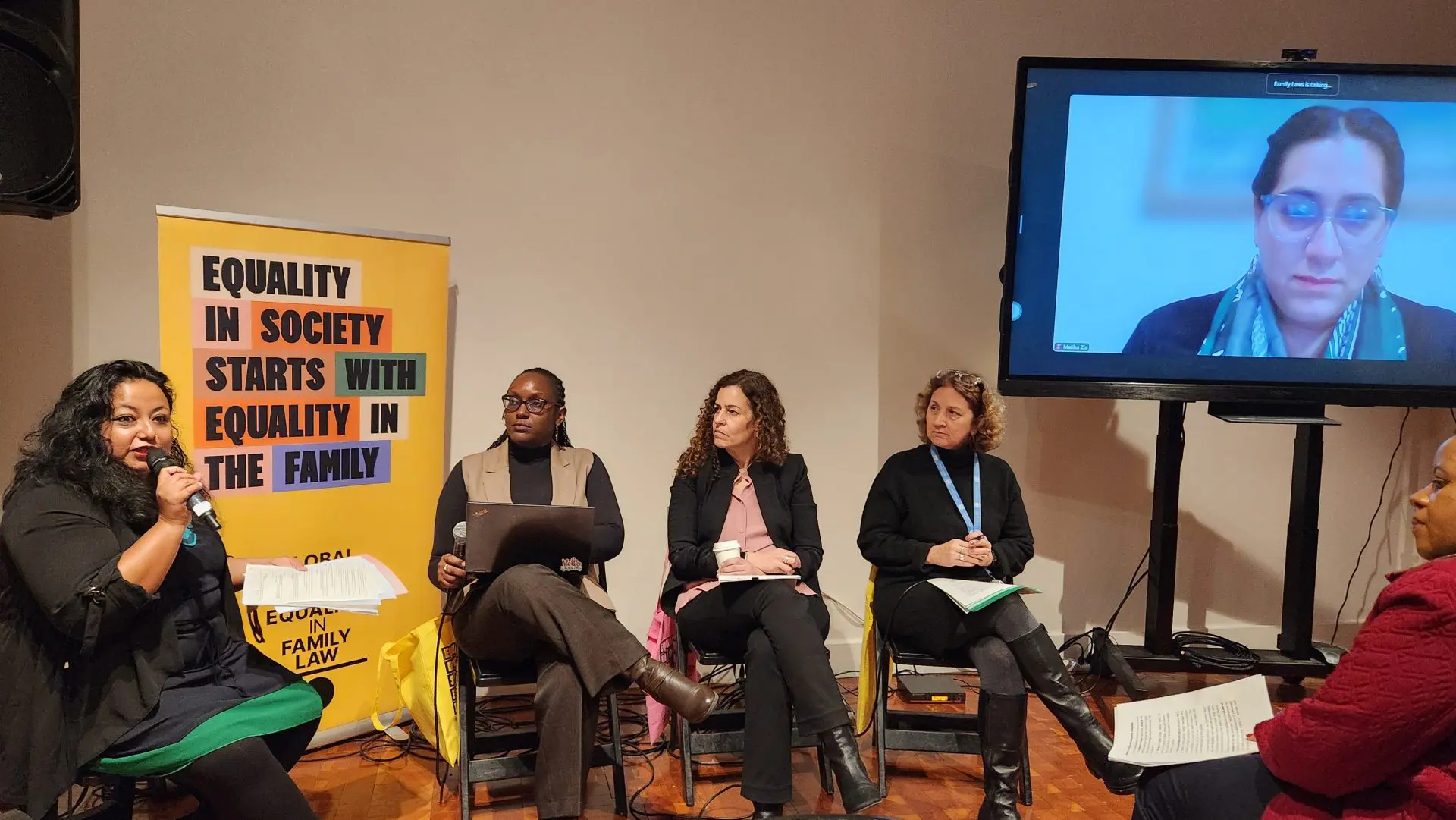
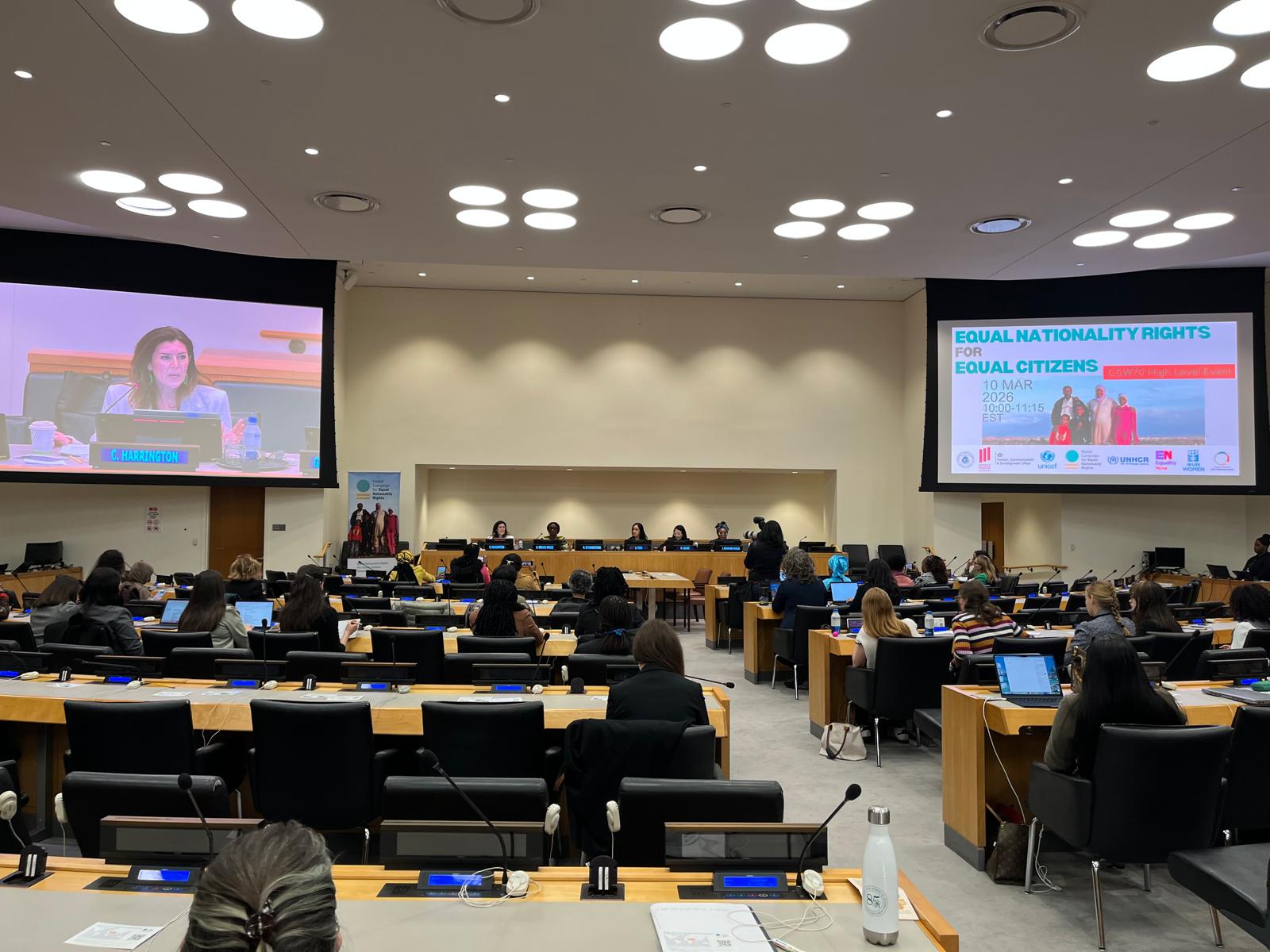
The inclusion of family law as a specific site of discrimination in this year’s Agreed Conclusions marks a significant step forward and reinforces the central role of legal equality in the family in achieving broader gender justice. The launch of the Global Campaign for Equal Nationality Rights’ legal atlas also underscored the need for reform of the remaining discriminatory laws that prevent women from conferring nationality to their children and/or spouse on the same basis as men.
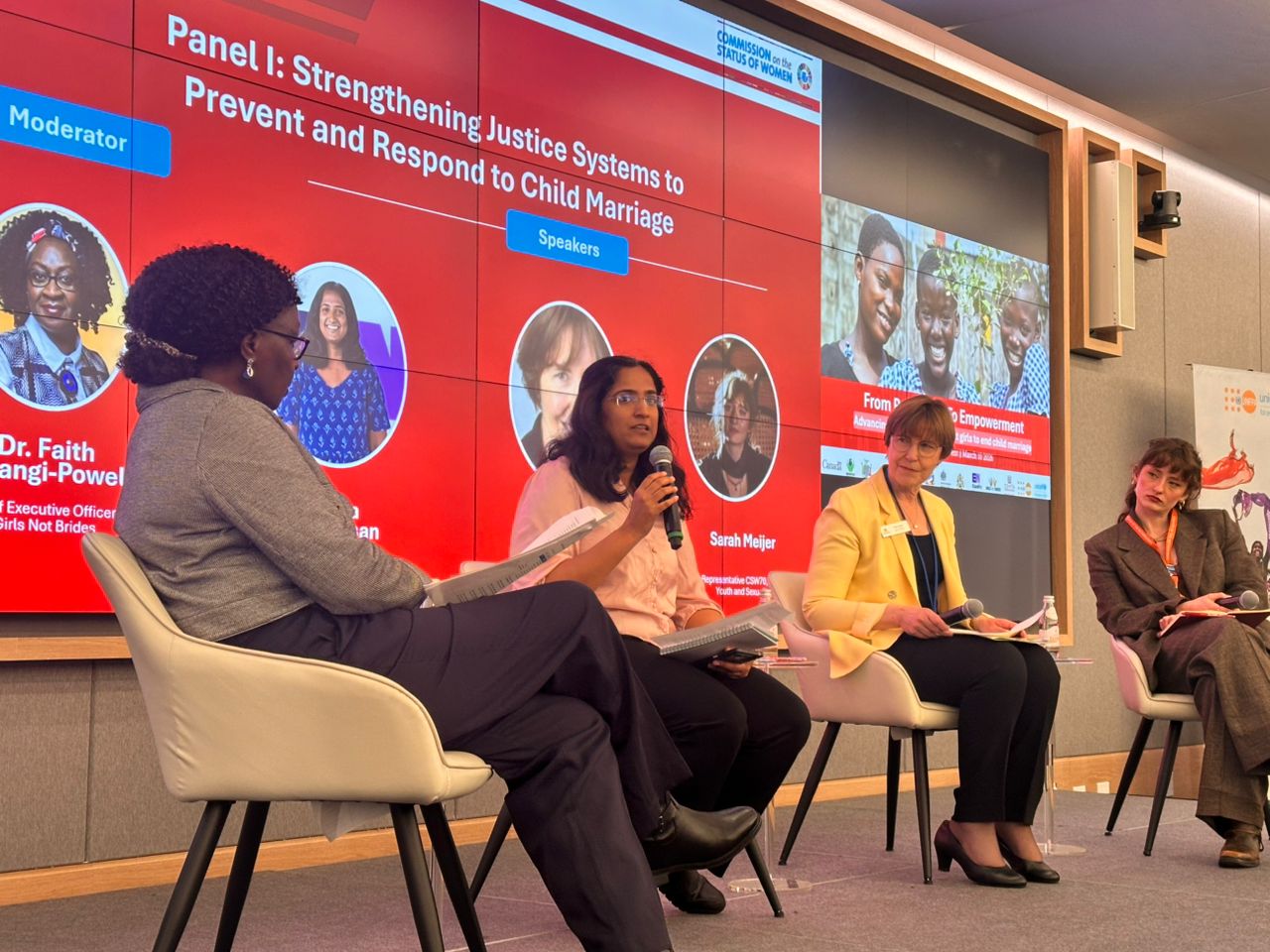
Discussions throughout CSW70 echoed our coalition work and findings from our Words & Deeds report and other knowledge products related to access to justice, particularly related to access to justice for survivors of sexual violence and harmful practices, including FGM and child marriage, informed by partners around the world.
While global legal frameworks remain in place for now, implementation continues to lag at the national level. In some contexts, progress is not only stalled but actively being reversed.
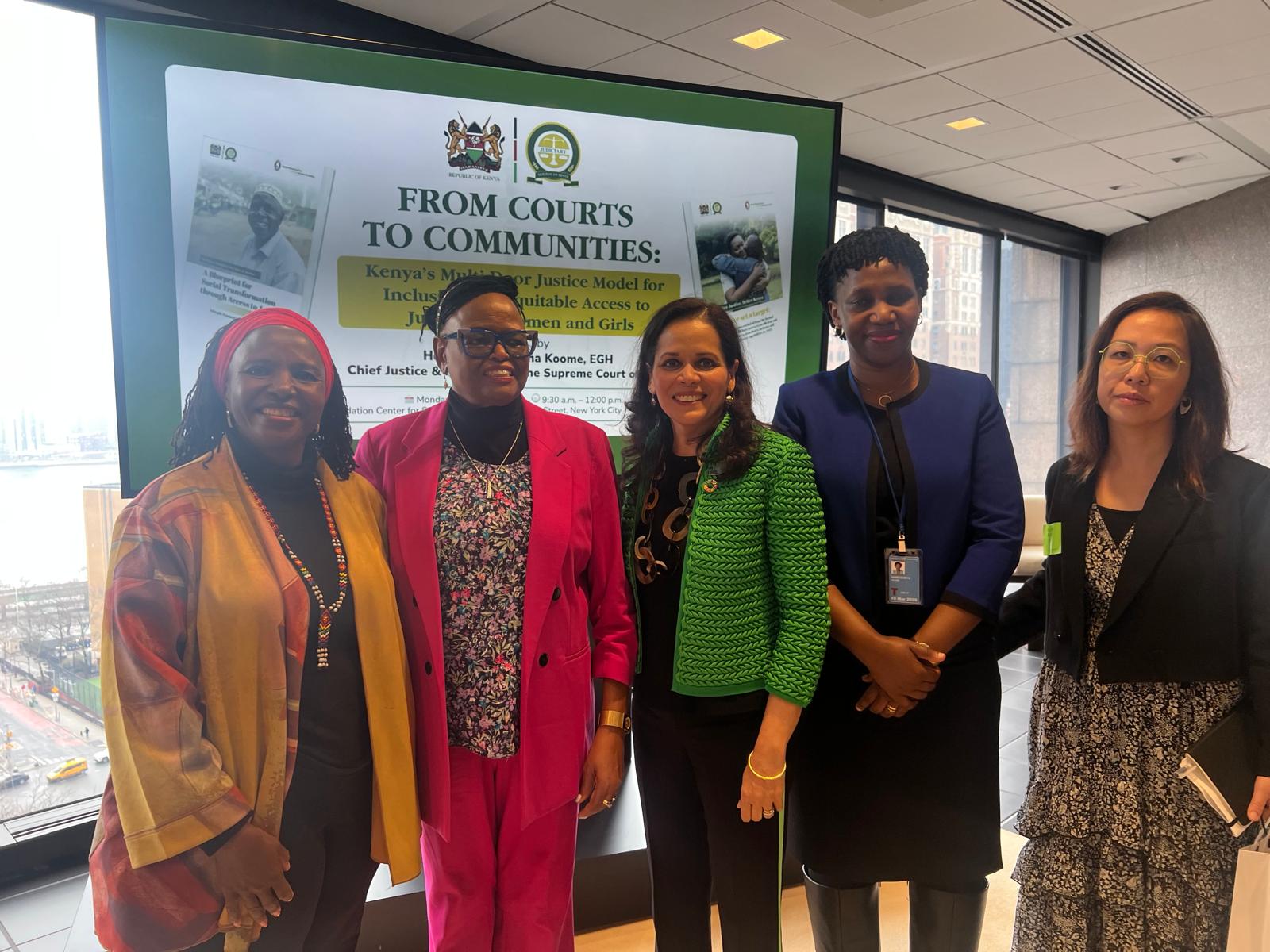
At the same time, examples of legal reform and evidence-based advocacy demonstrate that change is possible when commitments are backed by action.
Explore more of the key themes and discussions in our video analysis +
While multilateral institutions, including the United Nations itself, are under threat and the formal negotiation space may be shifting, CSW continues to play a critical role.
It remains a space where relationships are built, partnerships are strengthened and strategies are aligned. For Equality Now, CSW70 provided opportunities to engage across regions and issue areas, from legal equality and family law reform to addressing gender-based violence, including sexual violence and technology-facilitated violence, and access to justice.
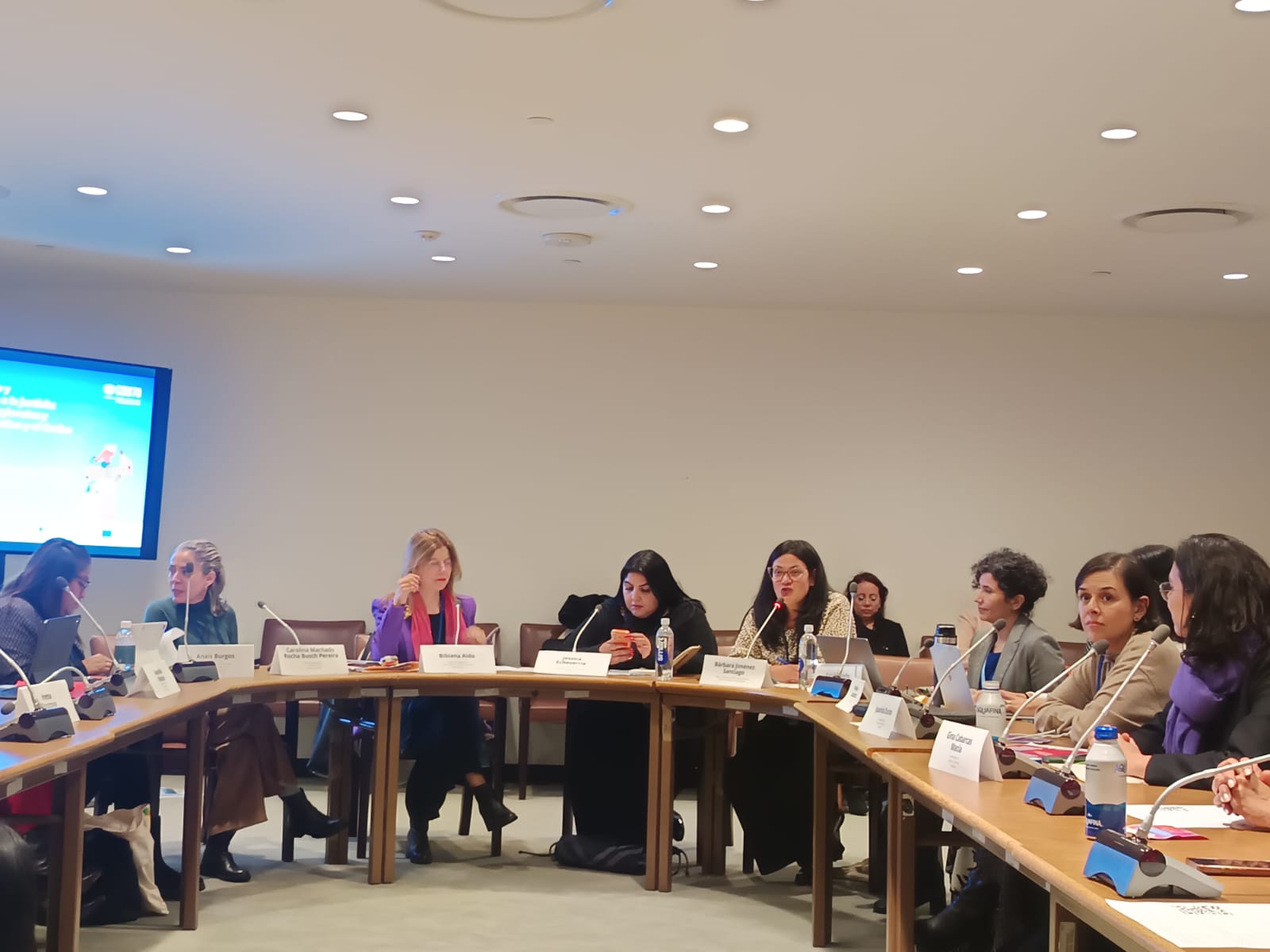
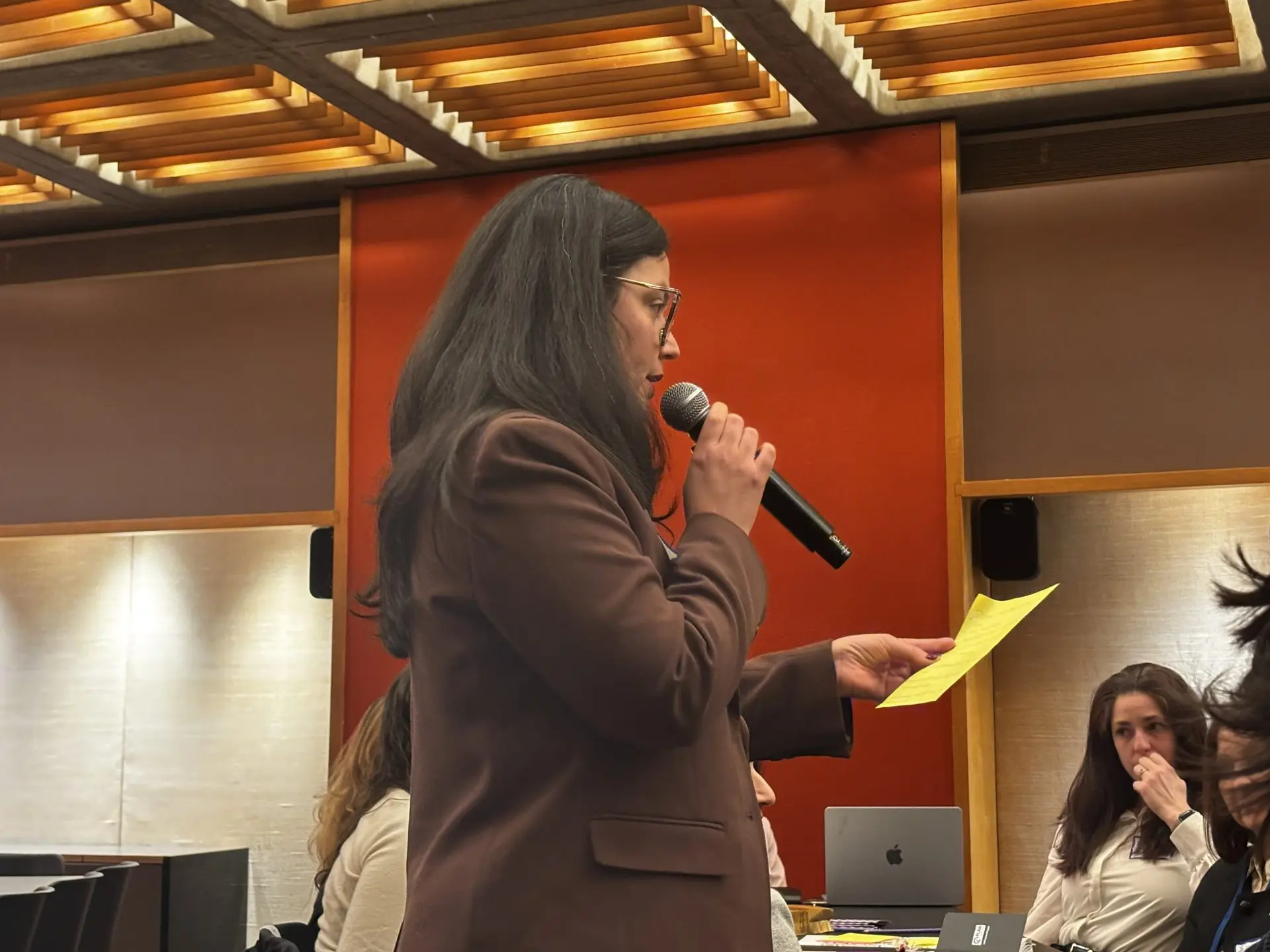
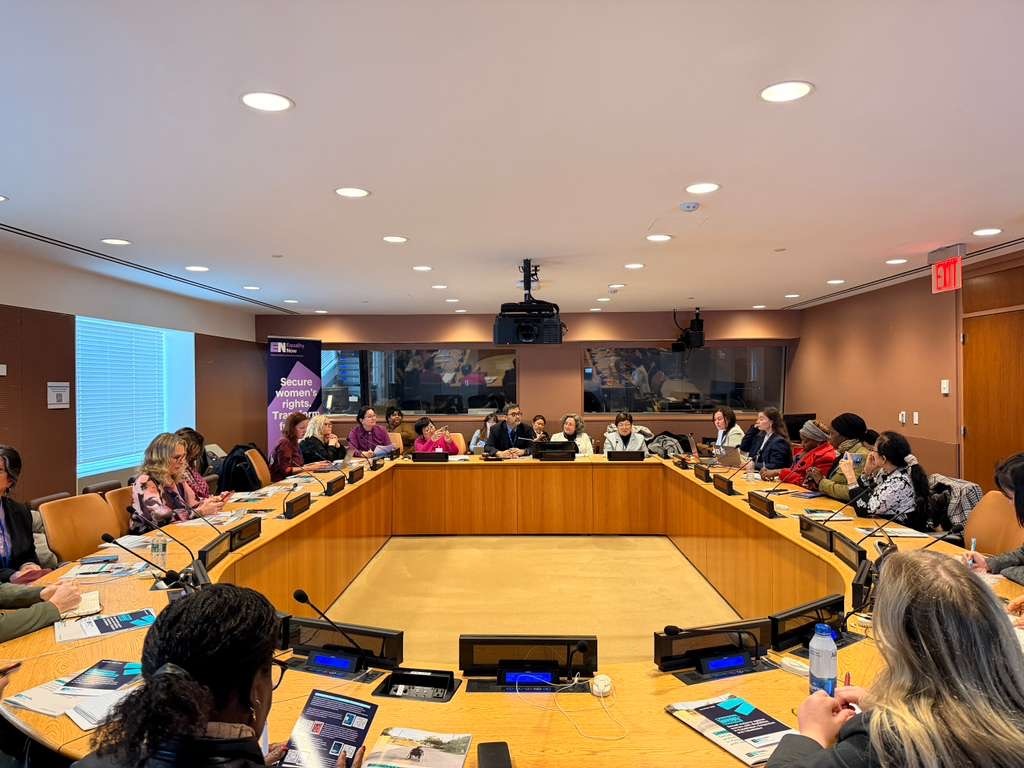
Equality Now worked hard to ensure a diversity of perspectives in the events and conversations we took part in, so that better and more sustainable responses can be found. For example, the official side event “Ensuring Justice for Women and Girls with Disabilities Survivors of Sexual Violence in Central Asia” brought together civil society, member states, and UN bodies to look at the specific barriers and potential solutions to access to justice for women with disabilities who are survivors of sexual violence.
Importantly, it also enabled deeper engagement with member states, partners and funders, helping to strengthen the coalitions needed to advance reform beyond global forums.
The real measure of CSW’s impact lies in what happens after the convening ends, in the year ahead until CSW71.
Equality Now will continue to use CSW Agreed Conclusions to support advocacy at national and international levels, including in submissions to mechanisms such as CEDAW. The recognition of discrimination in family law, and other areas, provides an important foundation for advocating for governments to act.
At the same time, conversations initiated during CSW will continue, as well as ongoing collaboration with partners to counter backlash and strengthen legal protections. For example, a bi-regional process on addressing sexual violence and access to justice will continue to evolve as a platform for political coordination between actors from Africa and Latin America and the Caribbean. Building on the exchange initiated at CSW70, this space will support the consolidation of shared priorities, the alignment of advocacy efforts, and the strengthening of a common voice to push for legal and institutional change.
CSW70 underscored a central challenge: global commitments alone are not enough.
At a time of growing resistance to gender equality, the priority must be to defend existing gains and translate commitments into law, policy and practice. Ensuring that women and girls can access justice and participate fully in public life requires sustained, coordinated action.
Legal equality also remains the foundation for achieving gender equality and the Sustainable Development Goals, the priority theme of next year’s CSW.
CSW remains an important moment of building international solidarity to advance equality. We will continue to lead and work in coalitions with partners around the world to hold the line, and even continue to make progress, as we look forward to CSW71, hopefully with a feminist woman UN Secretary-General at the helm.